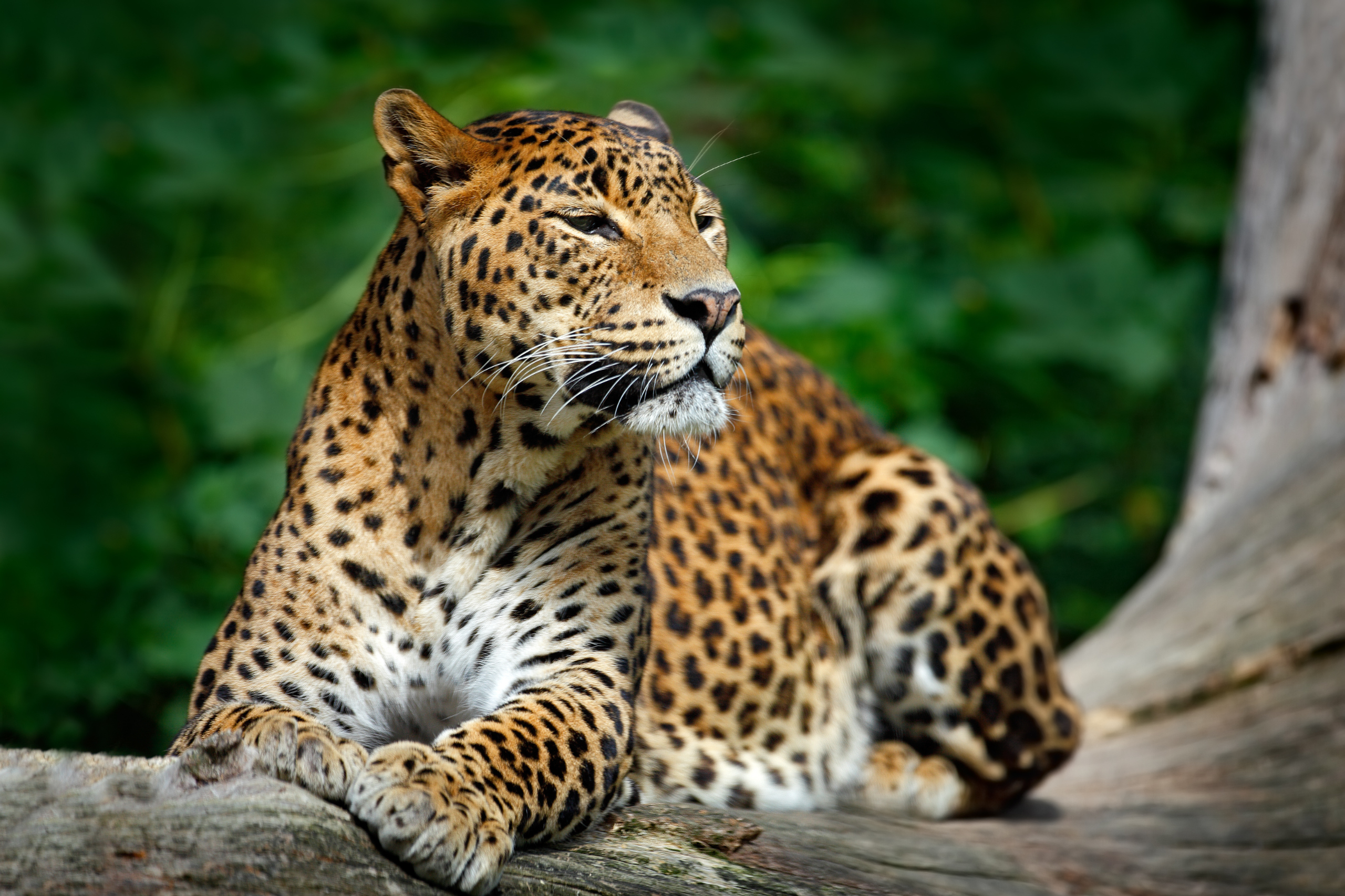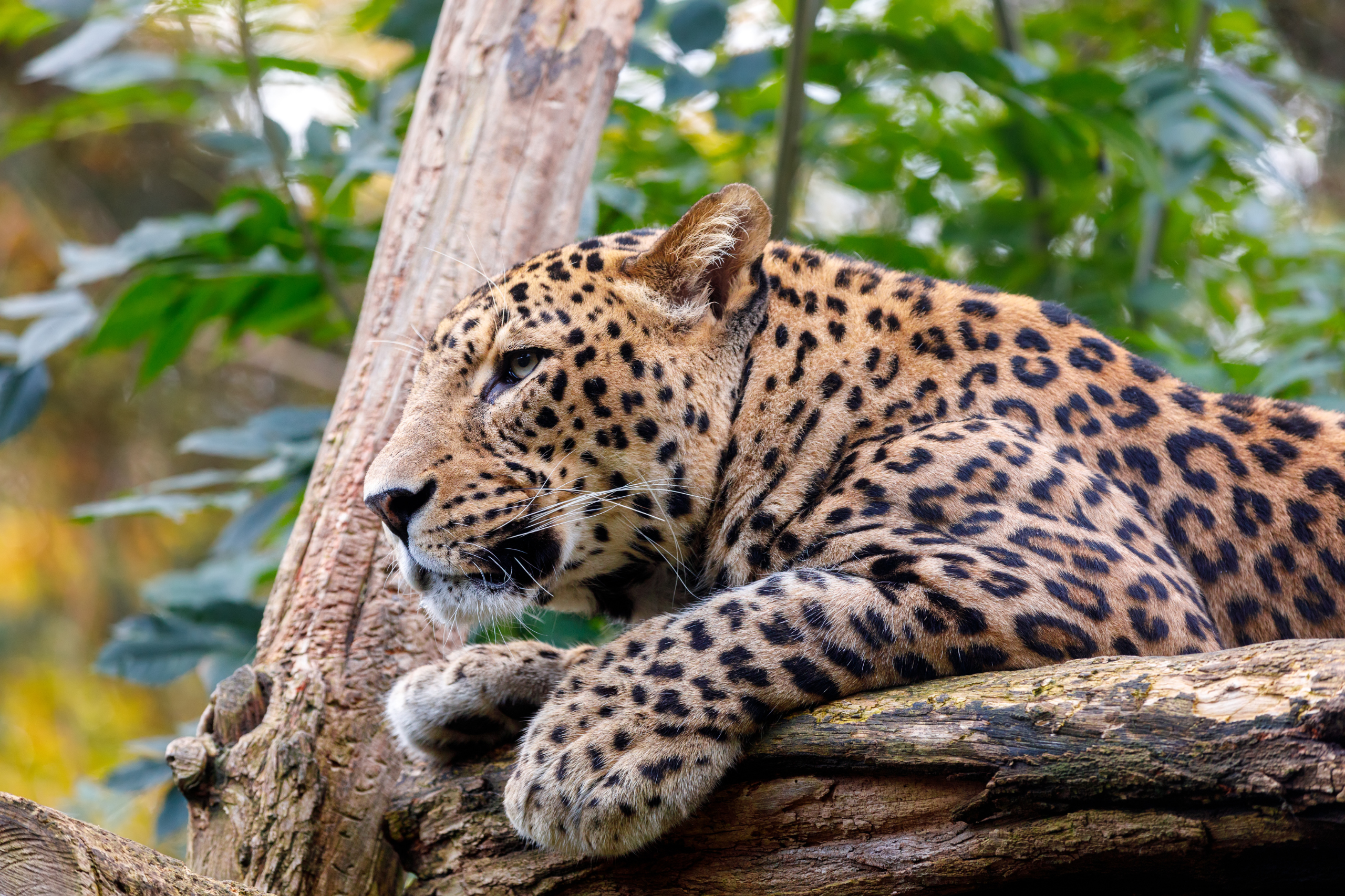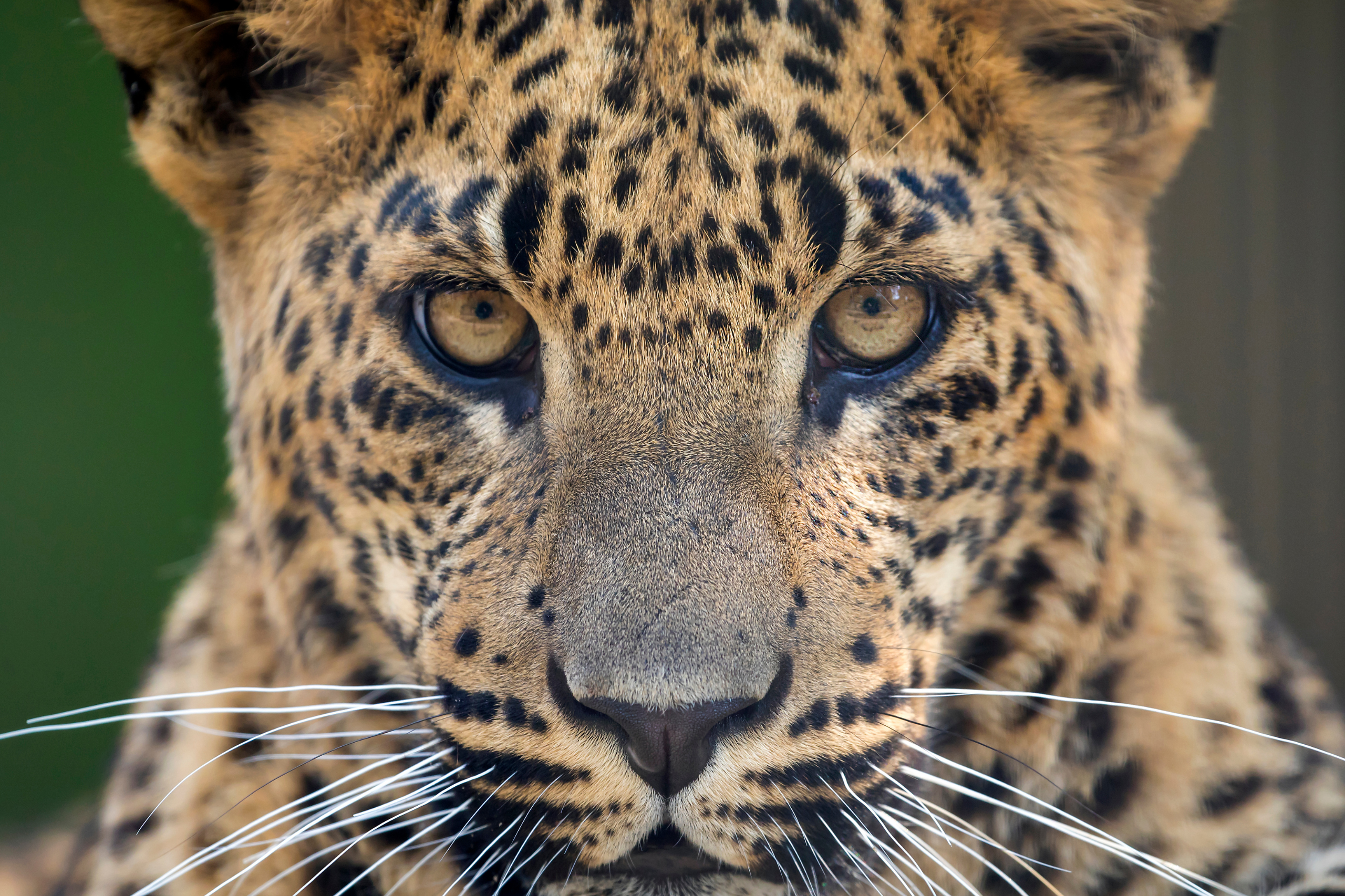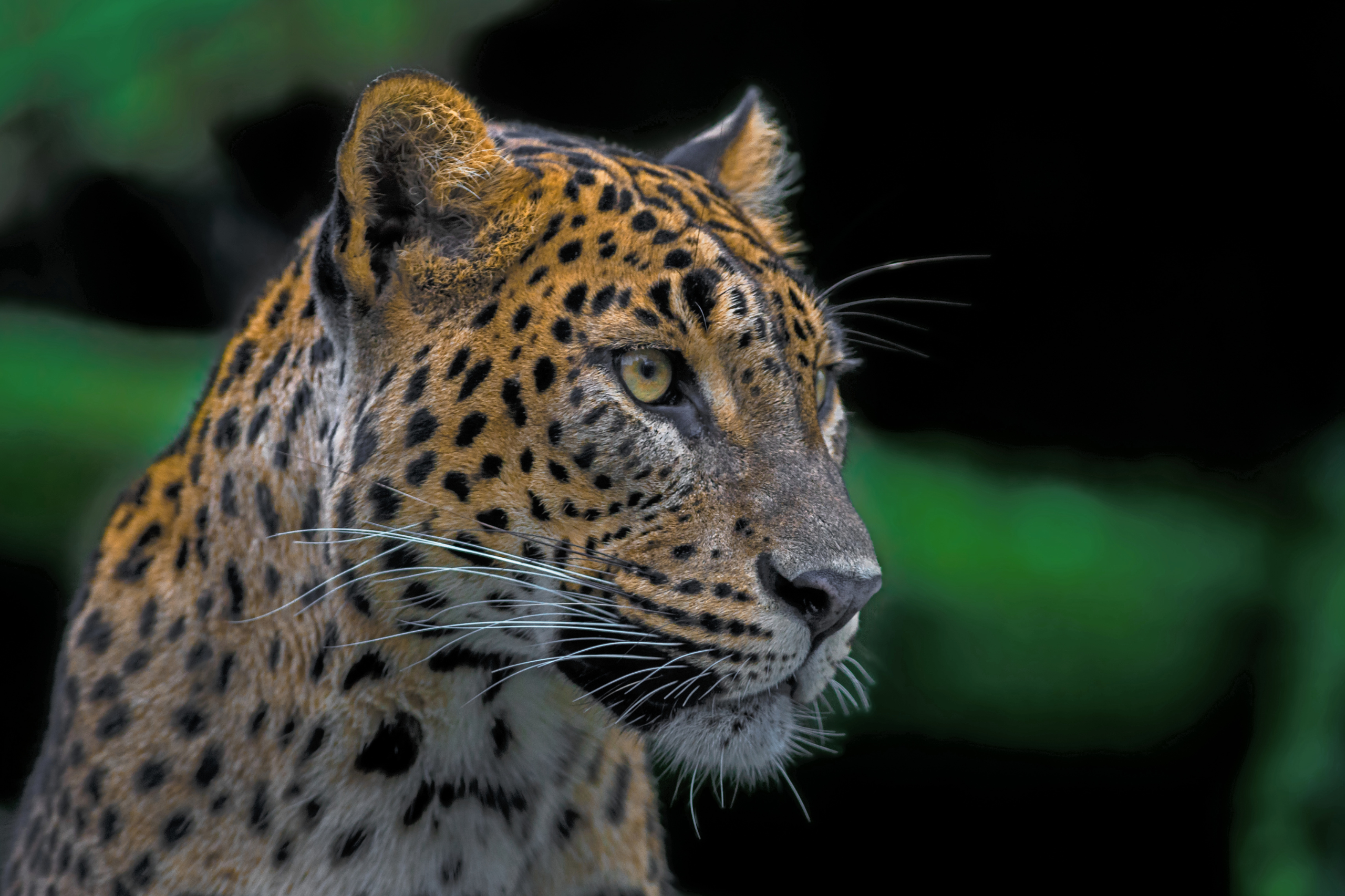
Sri Lankan Leopard (Panthera pardus kotiya)
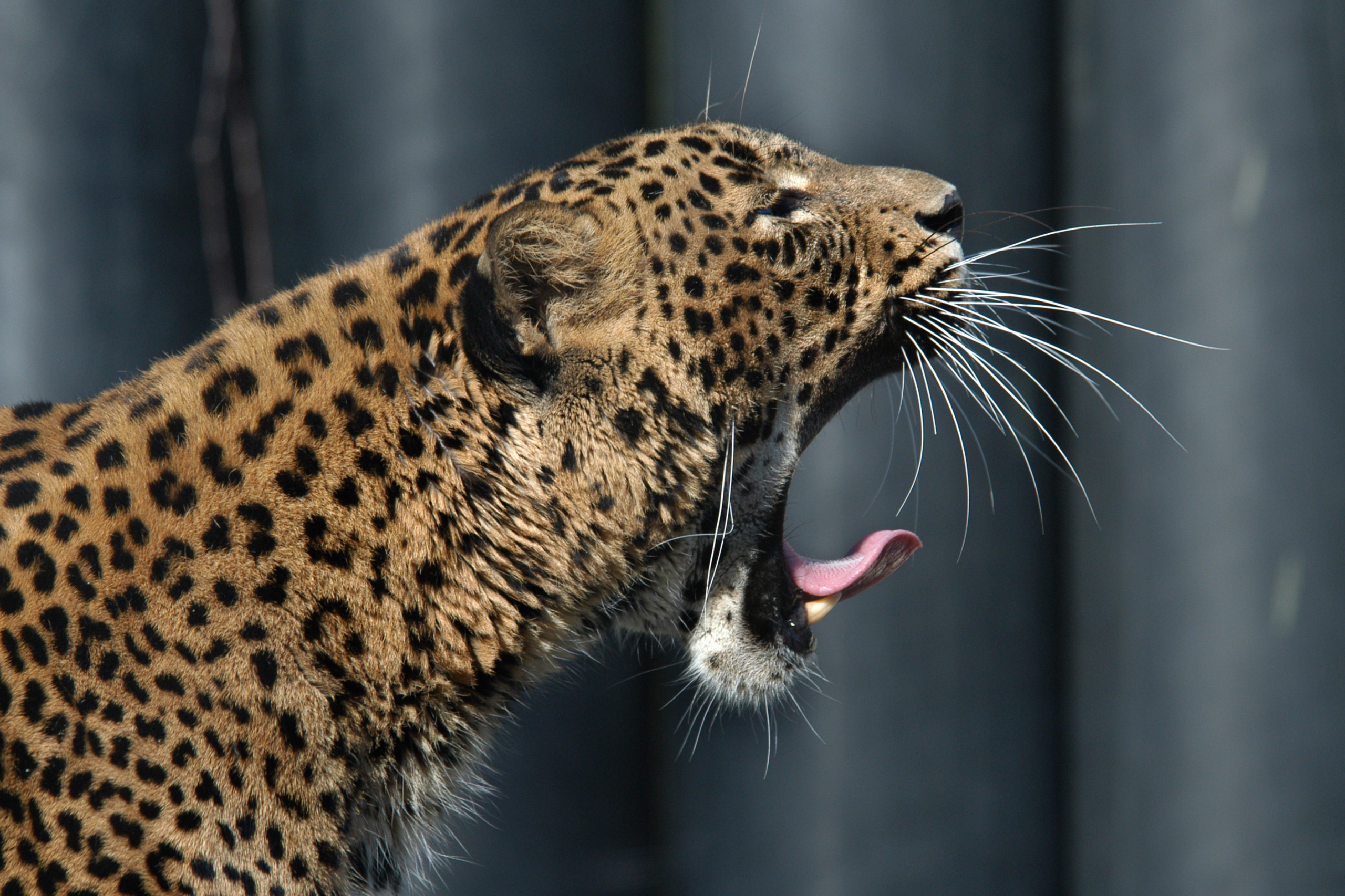
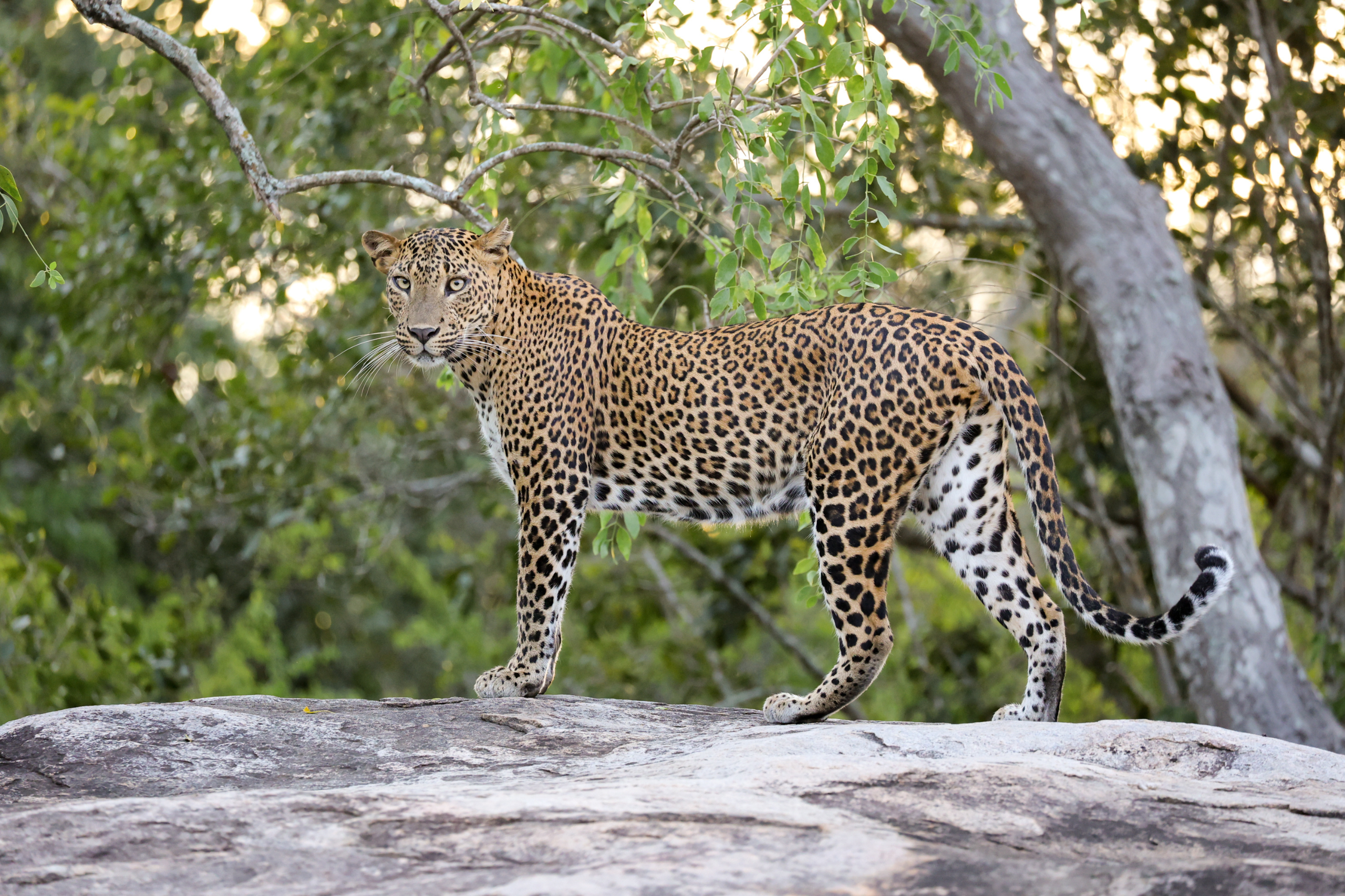
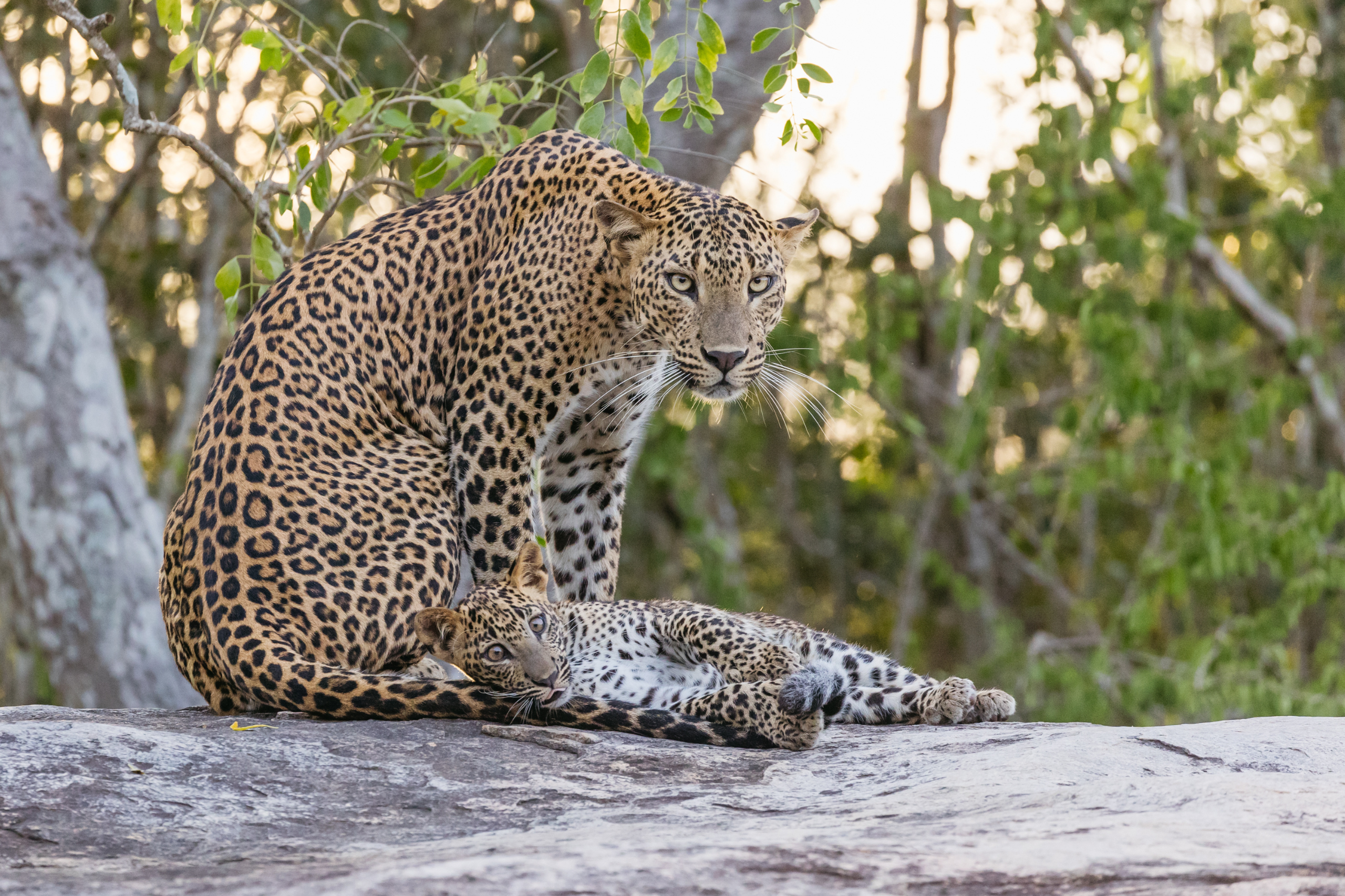
The Sri Lankan Leopard, scientifically known as Panthera pardus kotiya, is a magnificent predator native exclusively to Sri Lanka. It is the island’s largest land carnivore and an iconic symbol of its rich wildlife heritage. Leopards are known for their strength, agility, and adaptability, thriving across forests, grasslands, and even near human settlements in Sri Lanka.
This elusive feline has a striking coat marked with rosettes and spots, providing excellent camouflage in dense jungle terrain. Adult males typically weigh between 50 to 70 kilograms, while females are slightly smaller. Leopards are solitary animals, usually active during dawn and dusk, hunting a variety of prey including deer, monkeys, wild pigs, and smaller mammals. Their keen senses, stealth, and powerful build make them exceptional hunters in their environment.
The Sri Lankan Leopard plays a critical role in maintaining ecological balance by regulating herbivore populations and ensuring healthy forests. Despite being highly adaptable, they face threats from habitat loss, human-wildlife conflict, and poaching. Conservation efforts in national parks like Yala, Wilpattu, and Horton Plains aim to protect their habitats and promote awareness of this unique subspecies.
Observing a Sri Lankan Leopard in the wild is a rare and awe-inspiring experience, symbolizing the untamed beauty of Sri Lanka’s natural landscapes. This majestic predator not only captivates wildlife enthusiasts but also reinforces the importance of preserving the island’s unique biodiversity for future generations.